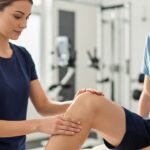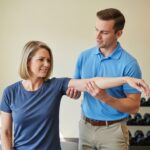



Find Relief from Osteoarthritis Pain
Are you experiencing persistent joint pain, particularly in a weight-bearing joint like your hip or knee? Do you ever notice a clicking or grinding sensation in your painful joint? If so, you may have developed osteoarthritis, the most common form of arthritis in the United States.
Arthritis is an umbrella term for over 100 conditions that cause joint inflammation and lead to pain and restricted mobility. The source of that inflammation will vary depending on the type of arthritis. In osteoarthritis, it’s caused by degeneration of the cartilage and bone tissue in the affected joint.
Osteoarthritis has no cure and can profoundly impact your overall quality of life, making it harder for you to stay active, keep up with chores, and enjoy time with your loved ones. Fortunately, Hands of Hope Physical Therapy offers several effective tools and techniques to help alleviate your pain and manage the condition’s other symptoms — often enough that you can delay or even avoid surgical interventions.
If you’re tired of living with osteoarthritis pain, call us to schedule an appointment today!
Don’t Let Your 2024 Insurance Benefits Go To Waste!
Take charge of your health today and make the most of your insurance benefits!
If you’ve already met your deductible this year or have funds left in your HSA account, you can take advantage of our remarkable opportunity at Hands of Hope Physical Therapy. Don’t let these valuable benefits go unused!
Understanding Osteoarthritis: Symptoms and Causes
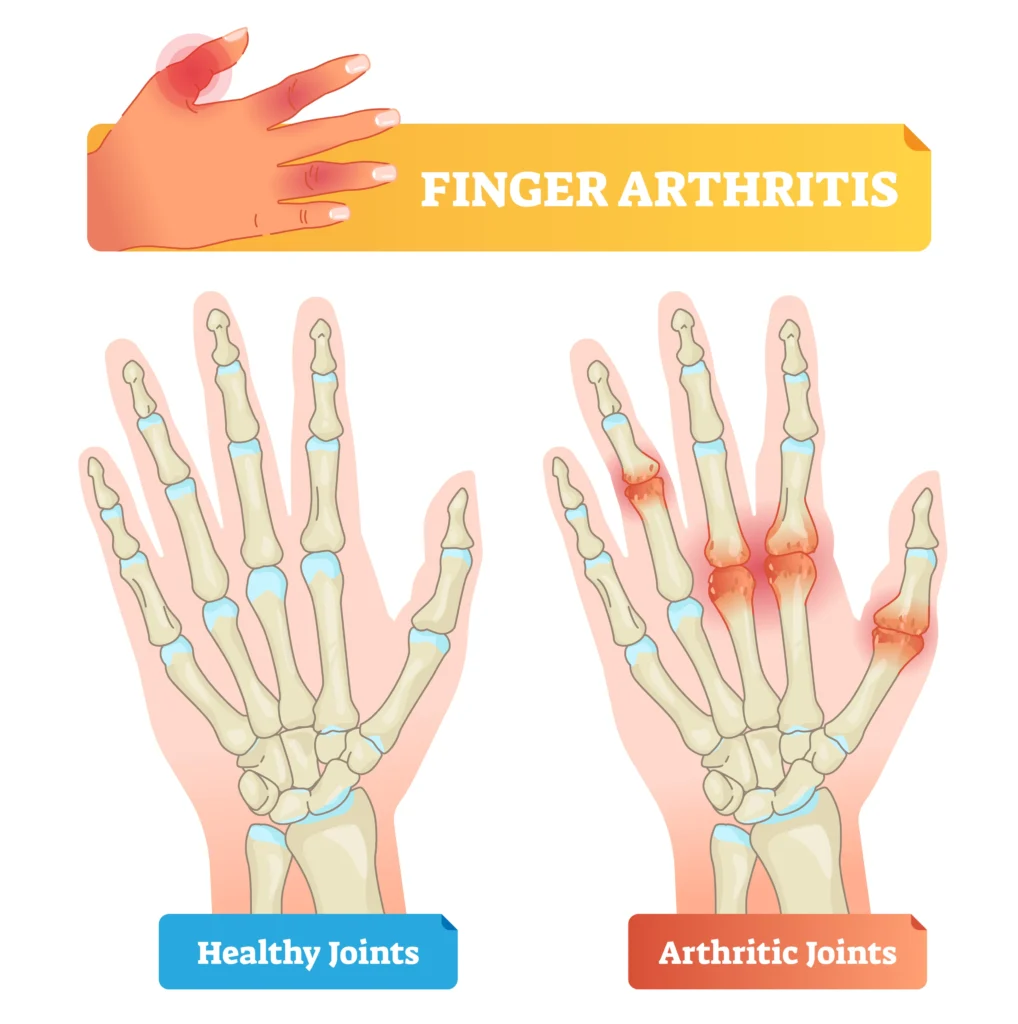
The primary symptoms of osteoarthritis are pain and stiffness in the affected joint. These symptoms often manifest in the following ways:
- Pain during activity but not while at rest
- Pain when you press on the joint
- Joint stiffness first thing in the morning
- Joint stiffness after sitting or lying down for long periods
- Noises in the joint, including creaking, cracking, or crunching
While any joint can develop osteoarthritis, it most commonly occurs in weight-bearing joints like the knees and hips. However, it’s also fairly common in the hands, spine, and feet.
The causes of osteoarthritis are complex, and several factors can contribute to it. One of these factors is age: approximately 73% of people with the condition are 55 years or older. That’s not to say osteoarthritis is an inevitable part of the aging process — plenty of older people don’t have it. But your chances of developing it do increase as you age.
Other possible factors contributing to osteoarthritis include past injuries to the joint, gender (women are more likely to develop it than men), body weight, and even genetic predispositions.
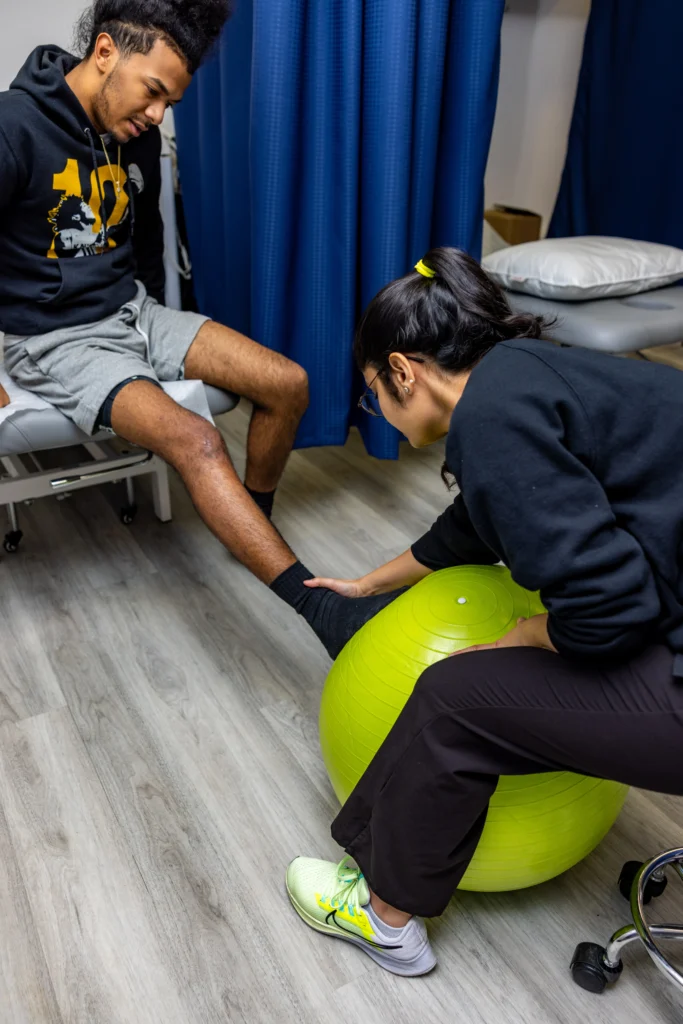
Exercise of the Month
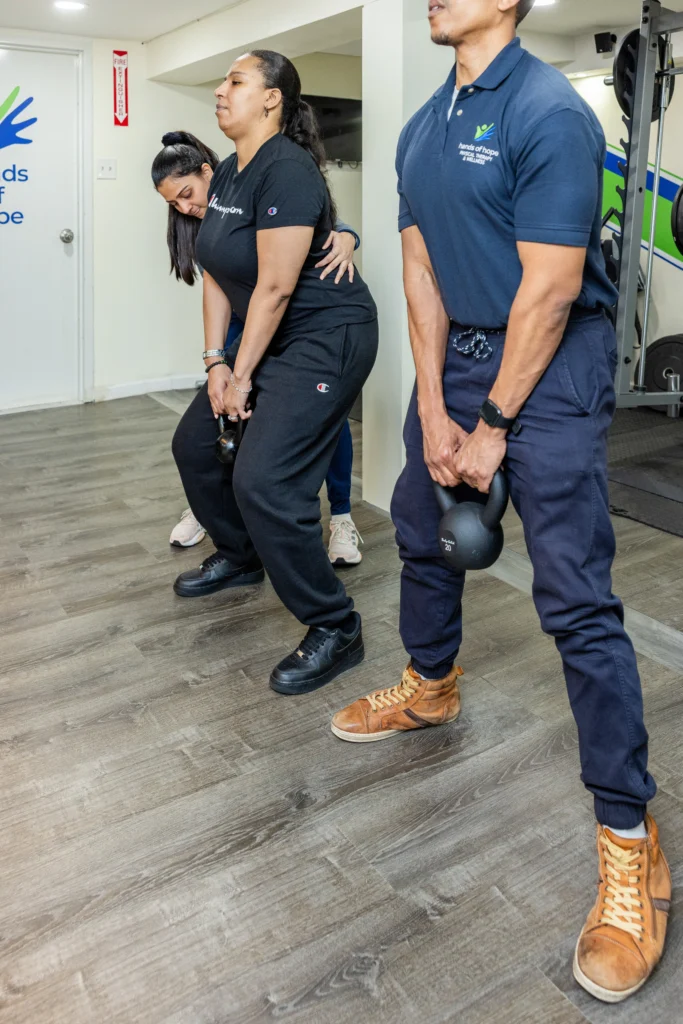
Ankle Alphabets
Start by sitting up straight in a chair. Raise one leg out in front of you. Slowly write the letters of the alphabet with your foot, only moving at your ankle joint. Repeat 3 sets, 10 reps each.


A Comprehensive Approach to Managing Osteoarthritis Symptoms
The good news is that you can control osteoarthritis symptoms through a blend of pain management injections and physical activity.
Here’s how we’ll do it:
Comprehensive Evaluation
We start by evaluating how osteoarthritis impacts you, including performing simple tests to assess your strength, mobility, and/or balance. We’ll also ask you about the ways that osteoarthritis is negatively affecting your life. For example, which activities do you find challenging?
Provide Pain Relief
Using information from our evaluation, we’ll select the best pain management techniques for your needs. Our pain specialists offer a range of options, such as the following:
Steroid Joint Injections
This technique involves injecting the affected joint with a corticosteroid, a powerful medication that reduces pain and inflammation. We use ultrasound technology to guide the injection, ensuring accuracy and comfort.
Hyaluronic Acid Injections
Hyaluronic acid is a naturally occurring substance that helps lubricate our joints but depletes as we age. Hyaluronic acid injection replaces that lost fluid, offering pain relief and improved function, especially for knee osteoarthritis.
Saline-Based Joint Injections
These injections use a saline solution instead of corticosteroid, helping to provide short-term pain relief.
Build Strength and Restore Mobility
Once we’ve helped manage your pain, our physical therapists will develop a customized, progressive exercise program to rebuild lost strength and mobility in the affected joint. Building strength, in particular, can help support and protect the joint so you can move more easily. Our therapeutic Yoga program can also help!
Provide Strategies for Activity Modifications
Finally, we can help you identify and avoid any specific activities that might put too much strain on your joints. If needed, we can also show you how to use mobility aids (such as canes or walkers).
Sources: https://www.who.int/news-room/fact-sheets/detail/osteoarthritis, https://www.arthritis.org/health-wellness/healthy-living/physical-activity/getting-started/benefits-of-exercise-for-osteoarthritis, https://www.mdpi.com/2411-5142/6/1/15
Don’t Let Osteoarthritis Pain Hold You Back!
We know that living with osteoarthritis can be difficult, but the team at Hands of Hope Physical Therapy is here to help you manage your condition and live your life to the fullest. With pain management injections and a targeted exercise program, we can help you take control of osteoarthritis pain.
Ready to get started? Call us to schedule your initial consultation today!

Feel Better by Eating Better!
Roasted Root Vegetables
- 12 oz rutabaga, peeled & cut into ¾-inch pieces
- 8 oz celery root, peeled & cut into 1-inch pieces
- 8 oz peeled baby carrots
- 8 oz fingerling potatoes
- 3 medium parsnips, peeled & cut into 1-inch-thick slices
- 1 medium fennel bulb, cored & cut into
- thin wedges
- 2 shallots, peeled & cut into thin wedges
- 2 tbsp olive oil
- ½ tsp salt
- ½ tsp ground pepper
Preheat oven to 325°F. Combine rutabaga, celery root, baby carrots, fingerling potatoes, parsnips, fennel, and shallots in a shallow roasting pan. Add oil, salt, and pepper; toss to coat. Bake, uncovered, for 1 hour, stirring occasionally. Increase oven temperature to 425°F. Bake, uncovered, about 10 minutes more or until the vegetables are tender and lightly browned.