

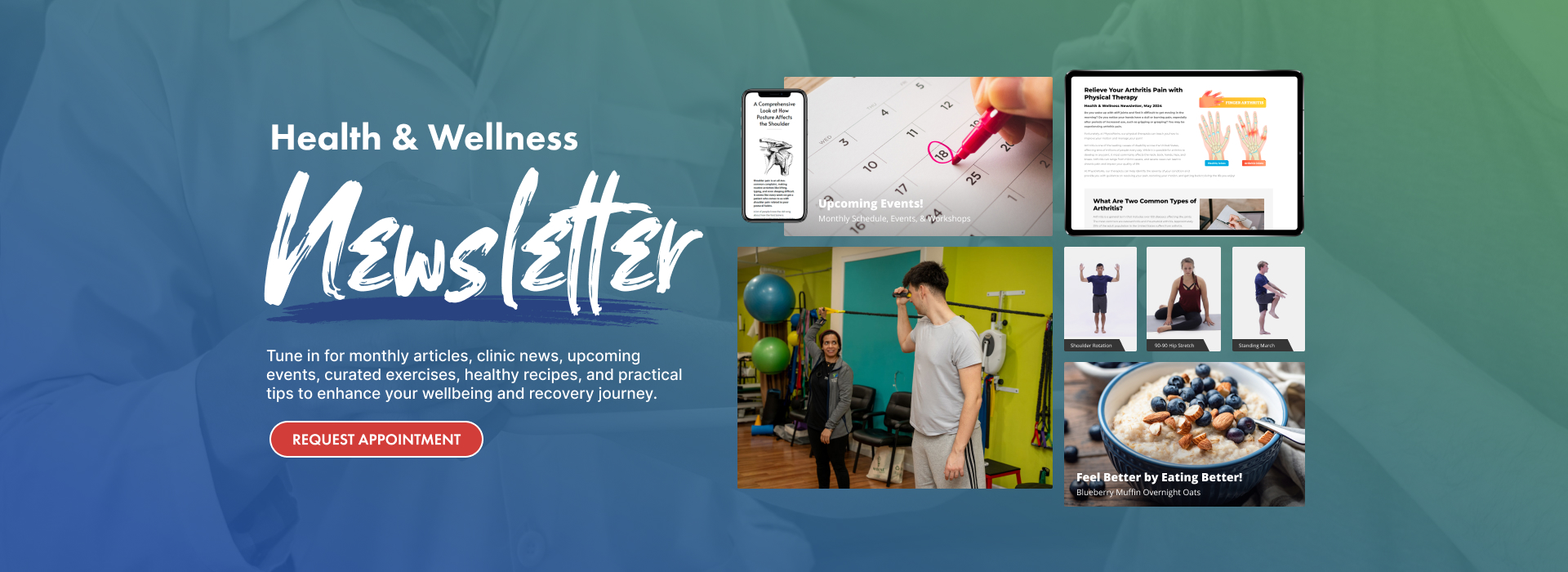

Does Stress Cause Neck Pain?
Does stress cause neck pain? The short answer is no, which is why at Hands of Hope we prefer to say “contributes to” rather than “causes.” Confusing the two can lead to frustration and ineffective treatment.
Fortunately, our highly skilled pain management specialists know how to dig deep to identify the root cause of your neck pain, ensuring you receive the best care for your needs.
Let’s look at a recent example: a 40-something-year-old working mother of three that we’ll call Nicole. Nicole was used to being very active, balancing her work schedule with getting her kids to all the various activities and school functions that come with being a mom.
Her neck pain first started as a crick in the neck when she woke up one morning. As the day progressed from driving her kids around to sitting at her desk, she noticed that turning her head became more difficult and painful, making focusing on work nearly impossible.
Nicole struggled to figure out why her neck started hurting and concluded that stress “must be” the culprit. The more pain and difficulty moving she had, the more convinced she was that stress was to blame.
However, things weren’t quite that simple.

Understanding Nicole’s Neck Pain
One of the most common things we hear from our patients is that their pain started for “no apparent reason.” Like Nicole, people will wake up with a crick in their neck or notice stiffness when turning their head in their car. It is also common for people to notice tightness in their upper back and neck after a long day.
While the pain is definitely real, it also didn’t start for no reason. In most cases, the issue is neck joints or neck muscles from holding the head in one position.
Our neck joints don’t like remaining in any position for extended periods. In Nicole’s case, she first noticed her pain in the morning, which may have been related to her neck position while sleeping. It is also important to note that in Nicole’s case, the first sign of any issue was in the morning when she woke up, unrelated to stress.
As Nicole’s day progressed, her pain got worse. But this was also more likely related to how she held her neck while driving or sitting at her computer. In both cases, her posture, specifically how she held her neck, contributed to her pain. Prolonged sitting can lead to a forward head posture, resulting in tension in soft tissues (i.e., muscles, tendons, and ligaments) or changes in blood flow.
The muscles of our neck function best when we move them. So, holding her head in one position likely irritated the muscles and affected her ability to move her neck, which, in turn, caused stress.
Stress “contributes” to neck pain because, when we experience stress, our bodies naturally tense up as a protective measure. This tension can lead to discomfort, particularly in the neck and upper back region. This is why we say stress “contributes” to, but is not the cause of, neck pain.
How Hands of Hope Can Help Alleviate Neck Pain
We offer several approaches for managing neck pain. To help us choose the right one for your needs, we’ll start with a thorough examination that includes your medical history and details about when, where, and how your symptoms began. This approach helps us eliminate possibilities and get to the actual root cause.
In cases of severe neck pain, we might recommend a pain management injection. For neck pain, effective options include:
- Facet joint injections, which target the small joints in your cervical spine
- Trigger point injections, which target small knots in your tissue that can cause referred pain (including tension headaches, another condition often blamed on stress)
- Peripheral nerve blocks, which target the nerve roots in the neck
We can also work with you to improve the mobility and strength of your neck using techniques such as manual therapy, targeted stretches, exercises, activity modification, or posture recommendations.
Book Your Appointment Today!
No matter your situation, the Hands of Hope team will listen to your unique situation and specific issues and then work to help you find relief and get back to your normal routine. If you’re dealing with neck pain, call us today and set up a consultation!
Sources: https://www.sciencedirect.com/science/article/pii/S1836955320301417?via%3Dihub, https://pubmed.ncbi.nlm.nih.gov/36180150/, https://www.ncbi.nlm.nih.gov/pmc/articles/PMC2270377/, https://pubmed.ncbi.nlm.nih.gov/28972599/
Pain Relief Services at Hands of Hope
At Hands of Hope, the team understands how chronic pain can interfere with daily life, from limiting your ability to play with loved ones to making routine movements uncomfortable. That’s why Hands of Hope combines advanced medical pain management with personalized physical therapy to help patients find lasting relief and improved quality of life.
Our comprehensive pain management program is designed to address pain at its source. Rather than simply masking symptoms, our therapists work with each patient to understand their unique condition and create a customized plan that supports long-term progress. The approach blends evidence-based treatments with state-of-the-art techniques to reduce discomfort, restore function, and enhance mobility.
The range of services offered spans a variety of conditions – whether you’re dealing with arthritis, nerve-related pain, back discomfort, or persistent muscular strain, effective options are available. These include targeted joint injections to deliver anti-inflammatory medication directly where it’s needed, nerve blocks to calm pain signals, and advanced procedures like radiofrequency ablation to interrupt chronic pain pathways. Hands of Hope also provides epidural steroid injections, trigger point injections, and specialized blocks for conditions like facial pain and migraines.
A major focus is on patient-centered care. Each treatment plan is tailored to your goals and comfort level, combining the expertise of pain specialists and physical therapists who work collaboratively to help you progress safely and effectively. Whether you’re taking the first step toward managing a new pain issue or seeking solutions for long-standing discomfort, Hands of Hope offers compassionate, results-driven care to support you on your journey toward pain relief and improved quality of life.
Exercise of the Month
Neck Glide
(Neck)
Stand tall with your shoulders relaxed and your head in a neutral position. Gently draw your head straight backward, keeping your chin level, like you’re trying to make a double chin. Avoid tilting your head up or down. Hold briefly, then return to the starting position. 3 Sets, 10 Reps. (Materials needed: none)
Occupational Therapy Month
Are you struggling with pain, a medical condition, or mobility issues that make daily activities difficult and keep you from doing what you love? Occupational therapy is a great way to learn how to get over these hurdles, improve performance and lower your pain symptoms.
What is occupational therapy?
The American Occupational Therapy Association defines occupational therapy as “the only profession that helps people across the lifespan to do the things they want and need to do through the therapeutic use of daily activities (occupations). Occupational therapy practitioners enable people of all ages to live life to its fullest by helping them promote health, and prevent—or live better with—injury, illness, or disability.”
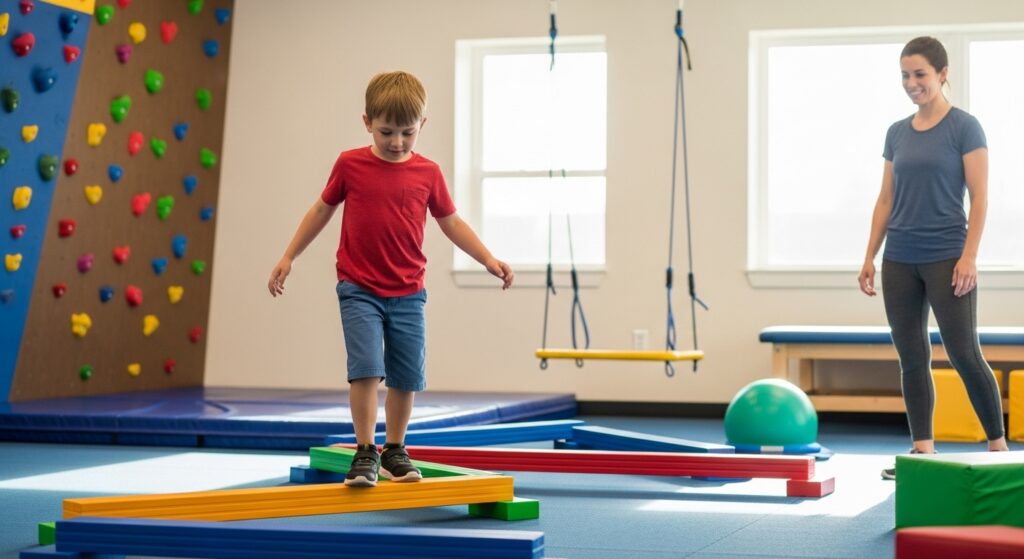
Occupational therapy supports individuals of all ages—helping children with disabilities thrive in school and social settings and assisting seniors in maintaining physical and cognitive well-being.
One example of the ways an OT can improve a patient’s daily function is through adaptations. For instance, if a patient is having trouble feeding themselves, an occupational therapist can help them to make adjustments and adaptations to utensils to make mealtimes easier. This personalized approach makes occupational therapy an essential part of healthcare.


Some conditions/situations where an OT’s guidance and care can be beneficial are as follows:
- Tendinitis
- Multiple sclerosis
- Parkinson’s disease
- Orthopedic conditions
- Recovery after burns/scar management
- Neurological conditions
- Carpal tunnel syndrome
- Down’s syndrome
- Cerebral palsy
- Autism
- Asperger’s syndrome
How can occupational therapy improve your life?
1. Occupational therapy can improve your balance.
Balance normally declines as bones become brittle with age, and there are various health issues that can influence your balance. Improving your balance will help you prevent trips and falls, which can result in catastrophic injuries.
2. Occupational therapy can speed up your recovery time.
If you’ve previously undergone surgery or experienced an injury, an occupational therapy program might be designed to help you get back on your feet. Your occupational therapist will design a rehabilitation program that is tailored to your unique needs, with the goal of assisting you in recovering as rapidly as possible.
3. Occupational therapy can help you avoid injuries.
Occupational therapy aids in the recovery of injuries, but most people are unaware that it can also aid in the prevention of injuries. Your occupational therapist can give you a variety of exercises to undertake at home and before engaging in physical activity to help you avoid injury. If you’re recovering from surgery, your occupational therapist can teach you new techniques to walk and move that will help you stay active while lowering the risk of falling and injury.
Improve your health with occupational therapy today
Ready to improve your quality of life and get back to doing what you love? Schedule an appointment with Hands of Hope today to discover the life-changing benefits of occupational therapy!
https://www.aota.org/Conference-Events/OTMonth/what-is-OT.aspx
Discover AposHealth®: A Revolutionary Approach to Managing Joint Pain
Living with chronic joint pain can make even the simplest daily activities feel challenging. At Hands of Hope, we are committed to offering innovative, evidence-based solutions that help our patients move more comfortably and confidently. One such option is AposHealth®, a clinically proven, non-invasive treatment designed to reduce pain and improve mobility, without medications or surgery.
What Is AposHealth®?
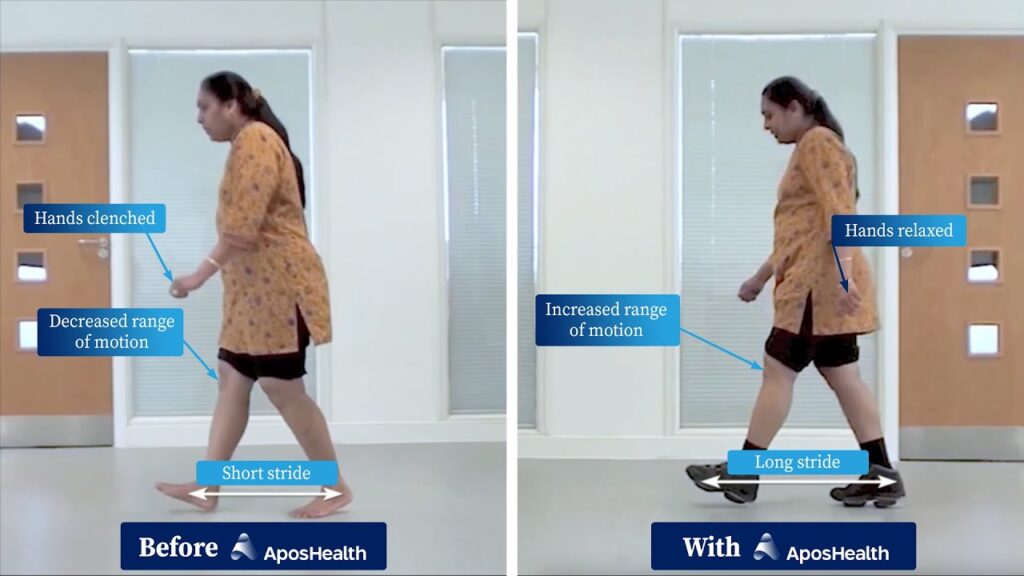
AposHealth is a personalized therapy program that focuses on improving the way you walk, also known as your gait. The treatment uses specially designed, customized footwear that gently shifts how weight is distributed through your joints. By reducing stress on painful areas, AposHealth helps relieve discomfort while encouraging healthier movement patterns throughout your day.
How Does It Work?
Each AposHealth program begins with a comprehensive evaluation of your walking pattern, posture, pain points, and functional goals. The footwear is then individually calibrated for you, creating a subtle instability that activates muscles in the legs and lower back. Over time, this helps strengthen supporting muscles, improve balance, and restore a more natural gait – leading to reduced pain and better function during everyday activities.
Backed by Research
AposHealth is supported by extensive scientific research and has been shown to be effective for conditions such as knee osteoarthritis, hip pain, and lower back pain. Many patients report meaningful improvements in pain levels, mobility, and overall quality of life as they progress through the program.
Is AposHealth Right for You?
AposHealth may be a great option if you experience chronic knee, hip, or back pain, osteoarthritis, post-surgical challenges, or difficulty walking or maintaining balance. Our experienced team will guide you through a thorough evaluation to determine if this innovative approach aligns with your needs and goals.
If joint pain is holding you back, AposHealth may help you take confident steps toward lasting relief.

Kosher Perfect Matzo Balls
This recipe offers a simple, no-nonsense method for creating the ultimate soup dumplings. Whether you prefer them light and fluffy or hearty and firm, this versatile guide provides the exact ingredients and steps to guarantee perfect results every time!
For soft matzo balls
- 4 large eggs
- 1 teaspoon kosher salt
- 4 tablespoons oil or 4 tablespoons melted schmaltz (fat)
- 2 teaspoons baking powder
For firm matzo balls, the above plus
- baking powder (delete for firm matzo balls)
Optional Ingredients — all, some or none
- 1 teaspoon garlic powder (optional)
- 1 tablespoon dried parsley (optional)
- 1 teaspoon dill weed (optional)
- 1⁄2 teaspoon pepper (optional)
Instructions:
Follow these instructions carefully.
1. Measure and mix dry ingredients into a bowl.
2. Individually break the eggs.
3. Add oil or schmaltz (and water or broth for firm matzo balls) to the eggs and stir gently with a fork until the yolks are broken and the oil just mixed.
4. Pour egg mixture into the dry mixture and gently mix with the fork.
5. DO NOT OVER MIX, Treat it like a muffin mixture; if you over mix they will be tough.
6. Place in the fridge for 1 hour.
7. Bring a large pot of water to a rolling boil on the stove.
8. After matzo ball mix has set, gently remove teaspoon full of the batter and roll into 1-2″ balls and drop into the water.
9. When all the balls are in the water leave it to boil until all the balls float to the top, then lower the temperature to a rolling simmer for 40 minutes and your matzo balls will be ready.
10. DO NOT STIR AT ANY TIME.
11. The matzo balls may be removed from the water with a slotted spoon and served in soup, with a stew, as a side dish with gravy or placed on a cookie sheet and frozen covered for a later use.
We’re Here to Help, Every Step of the Way
We know pain can be alarming, but you don’t have to manage it alone. A personalized therapy program from Hands of Hope can help reduce your symptoms so you feel more confident in your day-to-day life.