


How to Find Relief for Foot Pain This Spring
Have you ever experienced that sharp, stabbing pain in your foot that makes every step feel like a challenge? Or perhaps a dull, persistent ache that just won’t go away? Foot pain is a common complaint that can significantly impact your quality of life by limiting your ability to work, exercise, and perform simple activities like walking or standing.
Fortunately, the team at Hands of Hope offers effective, non-invasive solutions to alleviate foot pain, improve function, and get you back on your feet this spring. From physical therapy to custom orthotics, we’ve got you covered!
Announcing Our New Williamsburg Location!
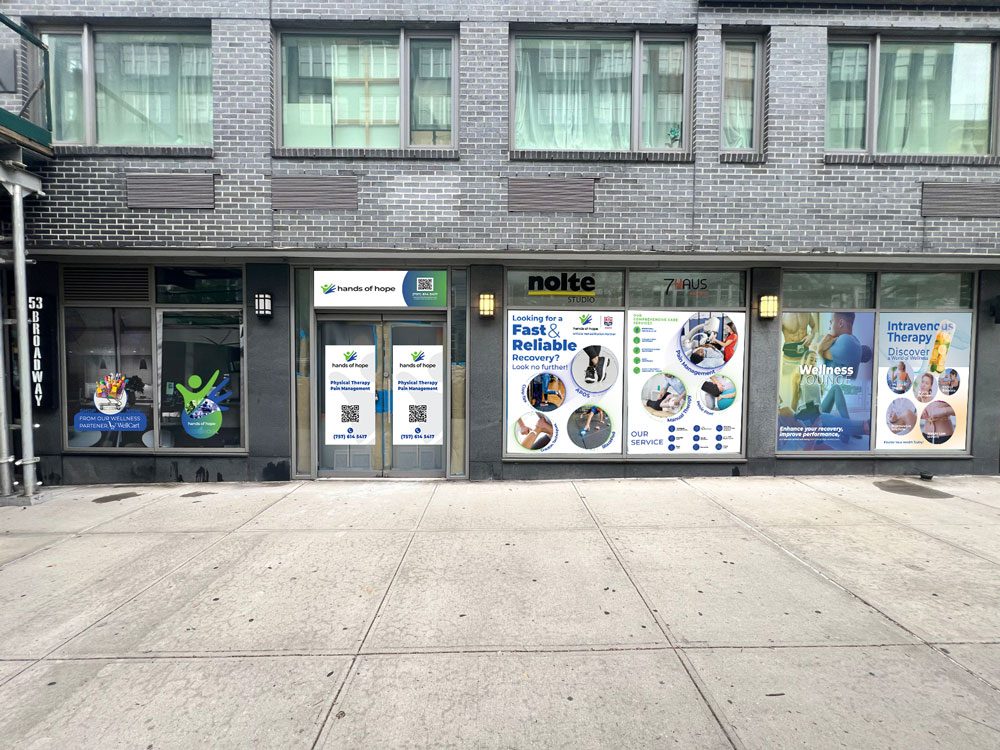
We’re excited to announce that Hands of Hope Physical Therapy has expanded to Williamsburg! Our newest location at 53 Broadway, Brooklyn, NY 11249 offers the same expert care and comprehensive services as our other clinics. Led by Dr. Path Patel, we’re here to help you recover, move better, and feel your best.
📅 Open Tuesdays & Thursdays, 8 AM – 4 PM
📞 Call us at 757-614-5417
🌐 Learn more: handsofhopeny.com
Schedule your appointment today and experience top-quality physical therapy close to home!
Affordable Care Credit Services—No Hidden Fees
No insurance? Or is your insurance not covering the essential services you need for your well-being? We’ve got you covered!
Experience the care you deserve with our stress-free, affordable Care Credit services—no hidden fees, no hassles.
Our Care Credit services include:
- Physical Therapy
- Pain Management
- Pelvic Floor Therapy
- Vestibular Rehabilitation
- Lymphatic Therapy
- Aquatic Therapy
- Electrotherapy
- Shockwave Therapy
- Kinesio Taping
- Graston Technique
- NormaTec Compression
- SMARTfit
- Neufit
Call today to book your appointment or for more information!


Five Common Causes of Foot Pain
Understanding the root cause of your foot pain is an important part of finding effective treatment. Let’s explore five of the most common foot pain conditions.
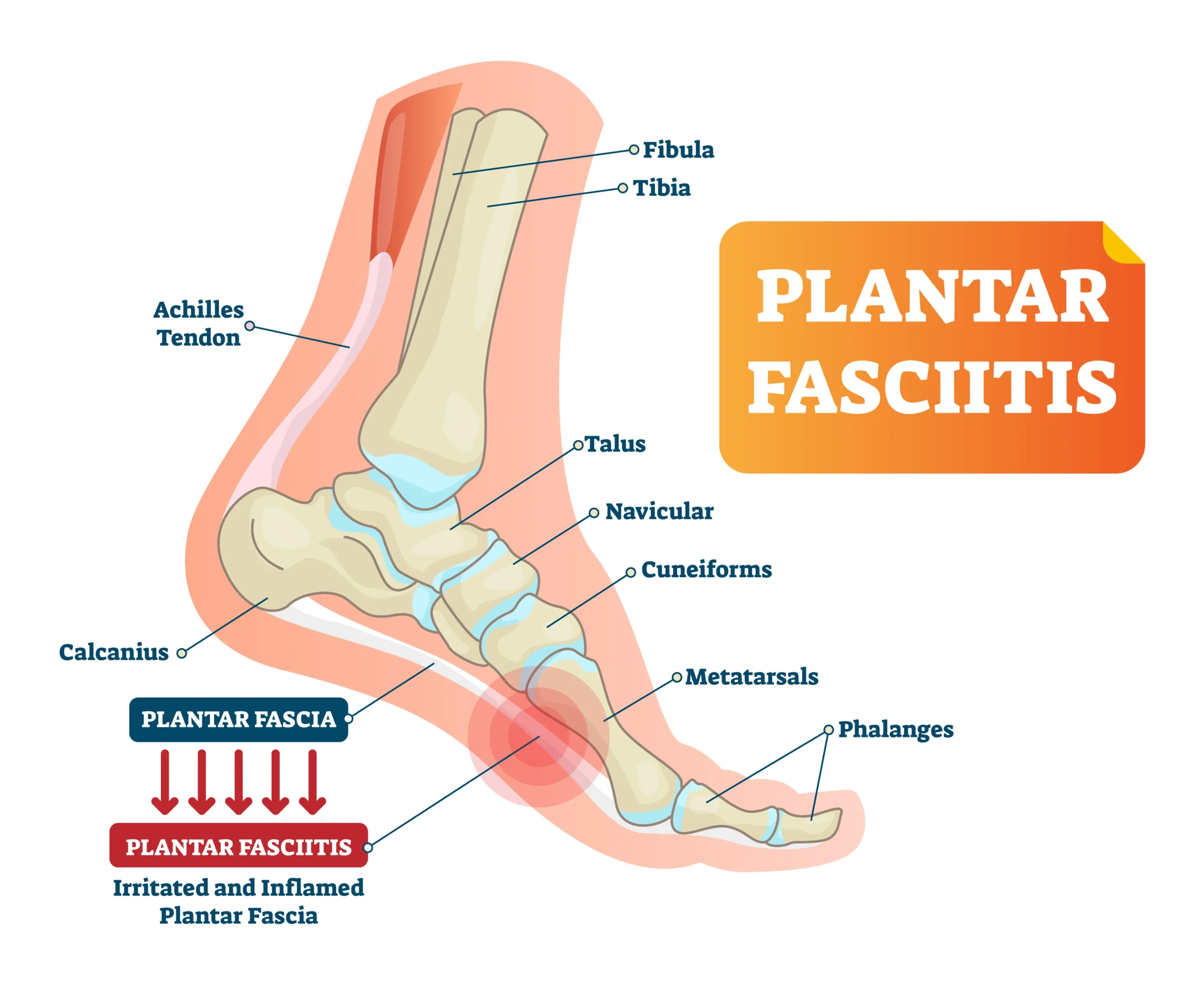
1. Plantar Fasciitis
This condition involves degeneration of the plantar fascia, a thick band of tissue that runs along the bottom of your foot. It often causes heel pain, particularly in the morning or after periods of rest. Risk factors include obesity, high-arched feet, and activities that put excessive stress on the feet.
2. Metatarsalgia
This refers to pain in the ball of your foot, often caused by overuse, high-impact activities, or wearing ill-fitting shoes. Symptoms may include sharp or burning pain, numbness, or tingling in the toes.
3. Achilles Tendinitis
This condition involves inflammation of the Achilles tendon, which connects the calf muscles to the heel bone. It often causes pain and stiffness in the back of the ankle, especially during or after activity.
4. Foot Sprains
These injuries occur when the ligaments that support your foot joints are stretched or torn, typically due to a sudden twisting or rolling motion. Symptoms may include pain, swelling, bruising, and instability.
5. Arthritis
This degenerative joint disease can affect any joint in your foot, causing pain, stiffness, and limited range of motion. Risk factors include age, previous injuries, and family history.
Patient Story: Running To Foot Pain Relief
A woman in her 40s came to our clinic complaining of persistent heel pain that had been bothering her for several months. The pain was particularly intense in the morning, making it difficult for her to even get out of bed. After a thorough evaluation, our specialist diagnosed her with plantar fasciitis.
Her active lifestyle and love for running had put excessive stress on her feet, leading to the tissue degeneration that causes the condition. She was worried she would have to give up running–but our team was here to help:
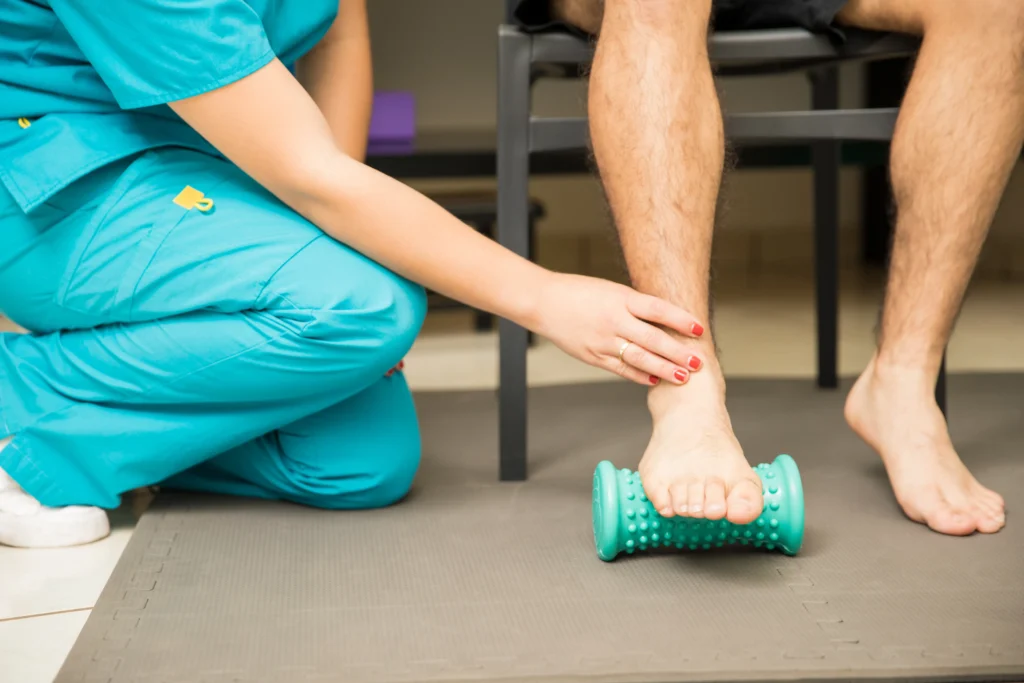
A Biomechanical Assessment
We began with a comprehensive biomechanical assessment that evaluated the patient’s posture and gait, particularly while she was running. The information allowed us to create a truly personalized care plan.
A Custom Orthotic Device
Using the information from the biomechanical assessment, we designed a custom orthotic that helped redistribute the patient’s weight away from her plantar fascia, which helped control her symptoms as she worked through our treatment program.
Pain Management
Next, we focused on reducing her pain and restoring mobility in the foot and calf through medical injections, manual therapy techniques, proper recovery routines, and mobility exercises.
Strengthening Exercises
Once her pain was under control, we introduced exercises to strengthen the muscles in her feet and calves, which provide proper support and reduce stress on the plantar fascia.
Return to Activity
We gradually reintroduced her running routine, starting with shorter distances, lower intensity, and the use of her custom orthotic. We also educated her on proper footwear, warm-up and cool-down routines, and injury prevention strategies.
Over several weeks, she experienced significant improvement in her pain and function. Best of all, she was able to resume her running routine and other activities she enjoyed with minimal discomfort.
Sources: https://www.ncbi.nlm.nih.gov/books/NBK431073/, https://ejpt.journals.ekb.eg/article_296701.html
Find Foot Pain Relief At Hands of Hope
If you are struggling with foot pain, don’t let it hold you back any longer. Our multidisciplinary team will conduct a thorough evaluation to identify the root cause of your pain and develop a personalized treatment plan to address your specific needs and goals.
Call our clinic today to schedule an appointment and take the first step toward recovery.
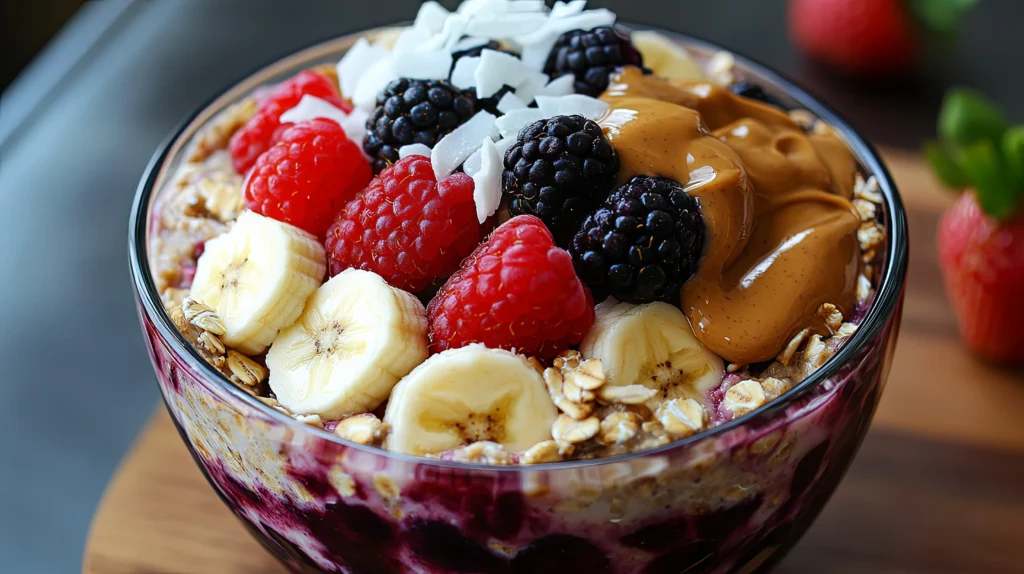
Protein PB & J Smoothie Bowl
- 1/4 cup almond, oat, or milk of your choice
- 2/3 cup frozen blueberries
- 2/3 cup sliced strawberries, frozen
- 1 scoop vanilla protein powder
- 1 tbsp peanut butter
- Optional toppings: 1 tablespoon melted peanut butter for drizzling, blueberries, chia seeds
Place your milk into the blender. Add frozen fruit, protein powder, and 1 tablespoon of peanut butter. Seal and blend until smooth. Pour out into a bowl. If using, melt the remaining peanut butter in the microwave for 30 to 45 seconds and drizzle over the bowl. Add desired toppings. Eat right away with a spoon!