



Stop It Before It Starts: Simple Tips to Prevent Shoulder Pain
If you’ve ever suffered a shoulder injury, then you know how debilitating it can be. Not only are you experiencing persistent pain, but most shoulder injuries also restrict the range of motion in the joint, making day-to-day tasks — from grabbing a cup off the high shelf to brushing your hair — feel nearly impossible.
At Hands of Hope Physical Therapy & Wellness, our team of pain management specialists will work with you to identify and resolve the underlying causes of your shoulder pain. We offer acute pain relief and can guide you through a complete shoulder rehabilitation regardless of whether or not you require surgery.
But that process can take a while, and we want to help you avoid shoulder injuries, too. While we do incorporate injury prevention information into our rehab programs, it’s never a bad time to start incorporating small changes into your routine that can help prevent shoulder pain.
If you’d like to learn more about how we help prevent and alleviate shoulder pain, call us to schedule an appointment today!
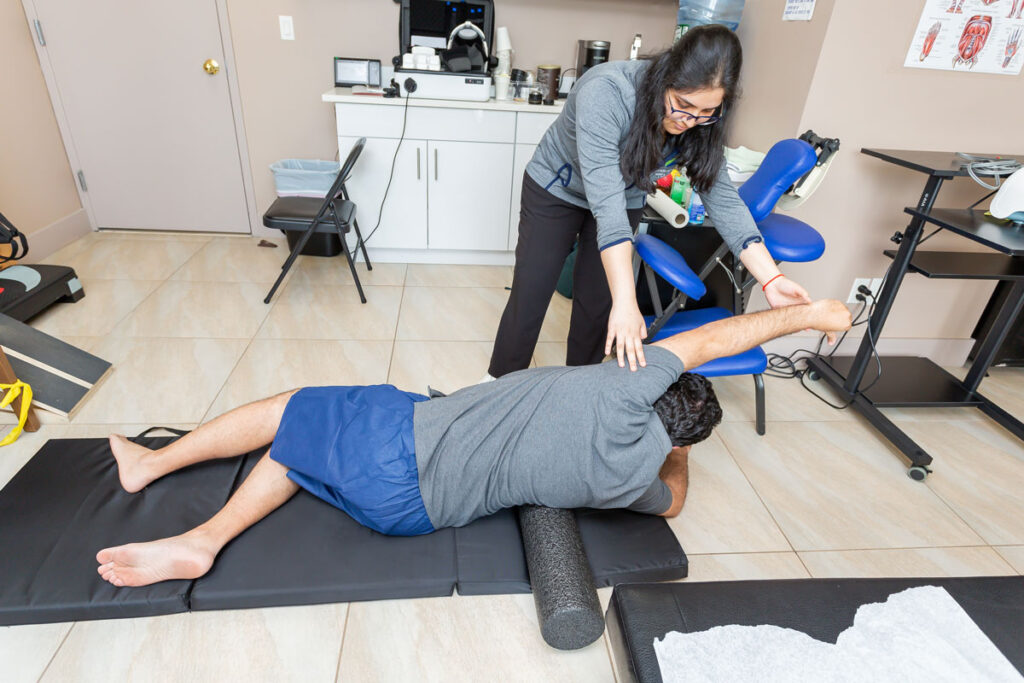
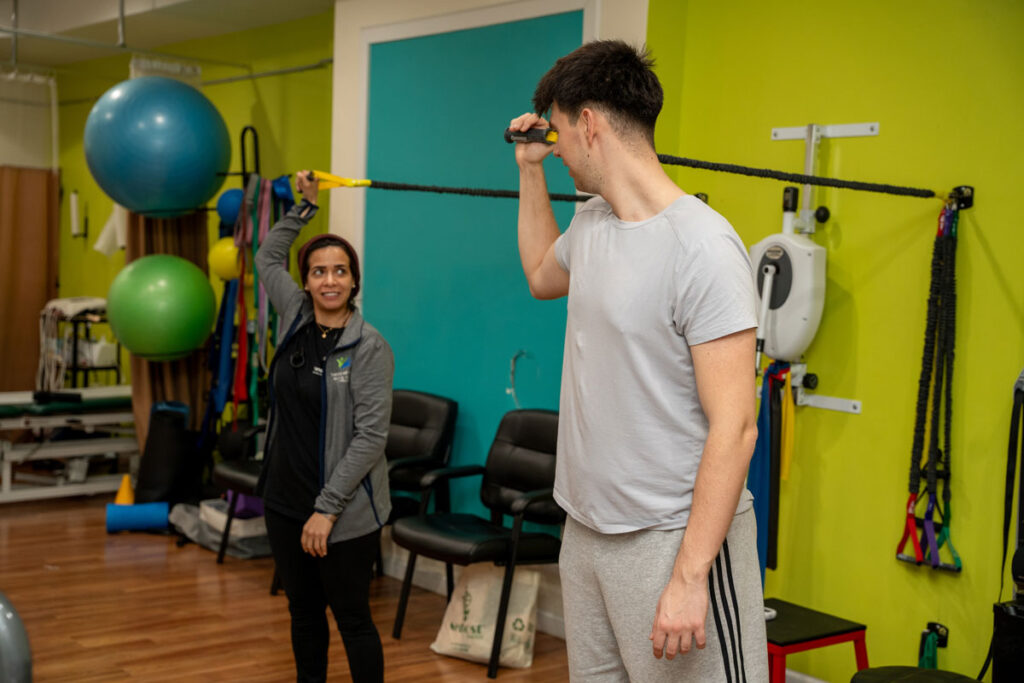
What Causes Shoulder Pain and Injury, Anyway?
Your shoulder is an incredibly complex ball-and-socket joint with several moving parts, including:
- Three separate bones: the humerus (arm bone), scapula (shoulder blade), and clavicle (collarbone)
- Cartilage that wraps and protects these bones from rubbing against each other
- Three main ligaments that connect your shoulder’s bones
- The rotator cuff: a collection of muscles and tendons that wrap and support the shoulder joint
- Bursae: small fluid-filled sacs that protect your tendons
Damaging any of these structures can lead to shoulder pain, weakness, and immobility. Some people injure their shoulders through sudden, acute injuries, especially if they’re active — a hard fall on the football field could tear your rotator cuff or dislocate the arm bone out of your shoulder socket.
However, many shoulder injuries are actually overuse injuries, meaning the pain and immobility symptoms occur due to repeated micro-injuries in your shoulder’s tissue. Often, sports-related shoulder injuries are actually due to overuse, as repeated overhead motions (such as throwing a ball or certain swimming strokes) put stress on the shoulder joint, leading to symptoms.
Using improper form and posture can also contribute to overuse injuries—a weak upper back strains your shoulder muscles, making them do more work than needed.
Preventing shoulder pain is really about preventing these overuse injuries. By making small changes, you can keep your shoulders strong, healthy, and pain-free!
Need A Little Help? We’ve Got You
The Hands of Hope Physical Therapy & Wellness team can help you prevent shoulder injuries as easily as we can treat them! Whether you’re looking for acute pain management, a shoulder stretch and strengthen routine, or some simple ergonomic adjustments, we’re for you.
Meet Our Team

Dr. Mayada Sharaf
Clinical Supervisor

Tithi Shah
Physical Therapist
Three Ways You Can Help Prevent Shoulder Pain
- Strengthen your upper body: Strong upper back and shoulder muscles can better provide the shoulder joint with the support and stability it needs, meaning you’ll be less likely to suffer an injury. Our physical therapists can walk you through some exercises.
- Keep your mobility: We can show you simple range-of-motion exercises that will get the blood flowing to your joints and keep them healthy. Reaching overhead, across your body, or behind your back are all basic stretches that can do wonders—just make sure you never force a movement!
- Pay attention to ergonomics. If your workspace isn’t shoulder-friendly, you might wind up with an overuse injury. Simple changes — like adjusting the height of your computer monitor or maintaining good posture when using hand tools — will reduce repetitive stress and lower your chances of developing shoulder pain.
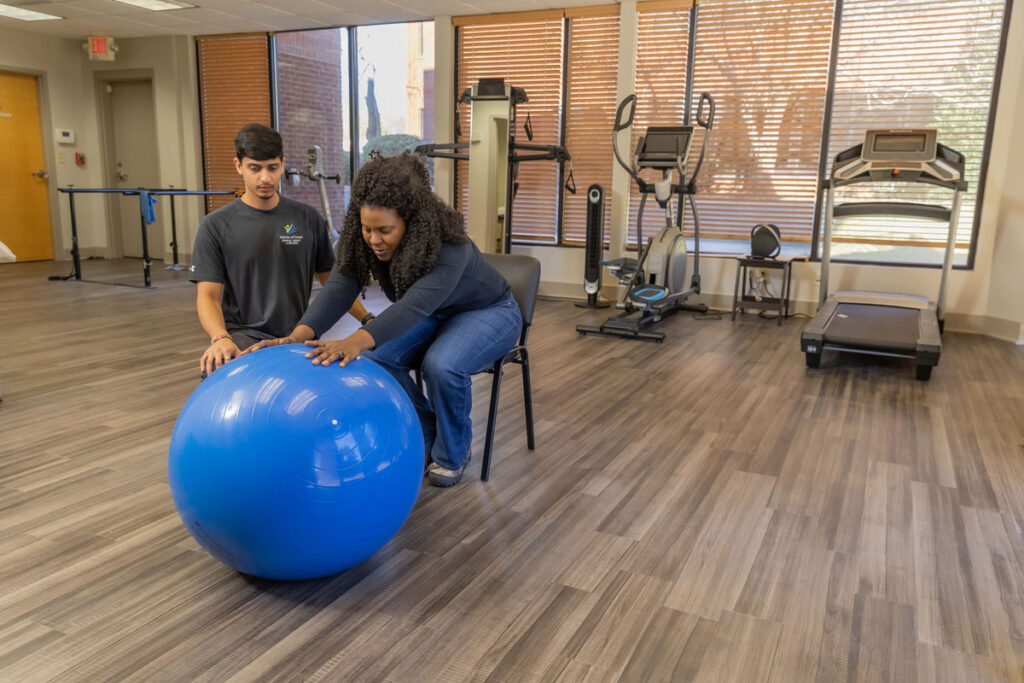
What About Acute Shoulder Pain Relief?
Of course, sometimes shoulder pain develops anyway–and that’s where our multidisciplinary team of pain management specialists can help you find the best relief for your needs.
If your shoulder pain is severe, we might suggest injecting the joint with a local anesthetic and a corticosteroid, a powerful anti-inflammatory medication. These injections can provide immediate pain relief, allowing you to perform careful, targeted shoulder exercises to help strengthen and stabilize the joint.
If your shoulder pain is located in your shoulder blade rather than the shoulder joint, you may benefit from trigger point injections. This technique targets tight, painful knots in your myofascia, a connective tissue surrounding your muscles. We’ll inject a local anesthetic into these trigger points to relieve pain and improve muscle function.
We also offer therapeutic Yoga. Unlike typical Yoga classes, we’ll design a custom program that addresses your shoulder-related concerns, helping manage pain and restricted mobility while aiding relaxation and stress management.
https://www.ncbi.nlm.nih.gov/books/NBK554693/, https://www.physio-pedia.com/Evidence_Based_Interventions_for_Shoulder_Pain, https://www.ncbi.nlm.nih.gov/pmc/articles/PMC10086287/

Feel Better by Eating Better!
Healthy Chicken Quesadillas
- 2 tbsp low sodium chicken broth
- 1⁄4 cup onion, chopped
- 1 small garlic clove, minced
- 1⁄4 cup bell pepper, chopped
- 2 chili peppers, minced (to taste)
- 3 plum tomatoes, chopped
- 8 flour tortillas
- 1 cup low-fat cheddar cheese, shredded
- 1 1⁄2 cups cooked chicken, shredded
- scallion, cut on the bias (garnish)
- salsa (garnish)
- nonfat sour cream (garnish)
In a medium-heavy skillet, saute the onions, garlic and peppers until soft in the 2 tablespoons chicken broth. Add the chili peppers and tomatoes and simmer for a few minutes more until the liquid has evaporated. Add the chicken and stir well to combine. Spray a cold skillet with the nonstick spray and heat over medium heat. Place a tortilla in the pan and sprinkle with 1/8 cup cheese. Add about a quarter of the chicken mixture and top with another 1/8 cup cheese. Cover with another tortilla and cook for two to three minutes or until golden brown. Flip the quesadilla over and cook for an additional two minutes. Remove from the heat and cut into edges. Keep warm while frying the remaining quesadillas. Serve with salsa, scallions, and fat-free sour cream.