


Post-Surgical Swelling Management with Physical Therapy
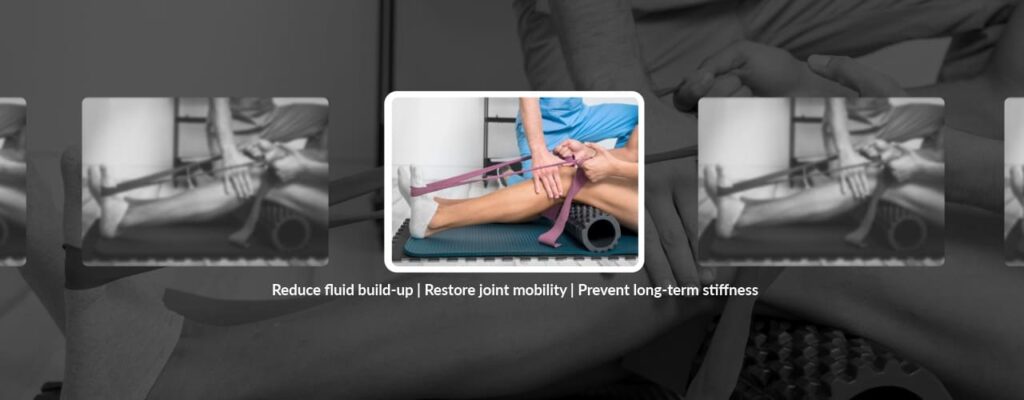
After any surgical procedure, swelling can feel alarming, uncomfortable, and confusing. Many patients search for guidance on post-surgical swelling management but end up sifting through conflicting advice. Understanding what swelling really means, why it happens, and how Hands of Hope supports recovery can make the healing process feel more predictable and less overwhelming.
Why Swelling Happens After Surgery
Swelling is a natural response to trauma. When tissues are disrupted during surgery, the body increases blood flow to the area to initiate the repair process. Fluid accumulates as part of this healing phase, especially in the first several days or weeks following the procedure. Common contributors include:
- Tissue inflammation from surgical incisions
- Reduced mobility immediately after surgery
- Changes in circulation related to anesthesia or positioning
- Muscle guarding that restricts fluid movement
Not all swelling is harmful, but understanding its patterns helps determine when progress is on track. Although early swelling is expected, it should gradually reduce over time. If it lingers, that can indicate an underlying concern. One of the roles of post-surgical swelling management with physical therapy is to help ensure these patterns align with safe healing timelines.
Understanding the Facts (and Myths) Behind Post-Surgical Fluid Build-Up
Myth 1: “Swelling means something is wrong with the surgery.”
Fact: Swelling is a healthy and predictable part of the healing process. It indicates that the body is sending nutrients and protective cells to the area. Physical therapy supports this phase by enhancing circulation and preventing fluid from accumulating for too long.
Myth 2: “You should avoid moving the joint until the swelling disappears.”
Fact: Safe, guided movement actually helps swelling resolve. When muscles activate, they act like pumps that move fluid out of the area. Avoiding movement can lead to increased stiffness, weakness, and overall swelling. A therapist teaches controlled exercises that support repair without stressing healing tissues.
Myth 3: “More compression is always better.”
Fact: Compression can be effective, but too much pressure restricts circulation and may worsen discomfort. A physical therapist helps determine the right type, amount, and duration of compression, especially in the early phases of recovery.
Myth 4: “If swelling returns after activity, it means you overdid it.”
Fact: Mild swelling after activity is normal for many weeks following surgery. It simply reflects that tissues are still healing. Therapists help identify safe activity levels and teach pacing strategies to keep swelling manageable.
Myth 5: “Ice alone will eliminate swelling.”
Fact: Ice may reduce temporary pain, but it cannot move fluid on its own. Long-term improvement requires a combination of movement, elevation, breathing strategies, and, when appropriate, compression. Physical therapy integrates all of these tools for more effective results.
The Real Solution: Guided Care Makes a Measurable Difference
Structured physical therapy incorporates multiple approaches that work together to support recovery and rehabilitation. This creates a more predictable path, reduces discomfort, and helps prevent long-term complications.
A comprehensive plan may include:
- Restoring range of motion
- Improving muscle activation around the surgical site
- Teaching proper gait mechanics or movement patterns
- Monitoring swelling patterns over time
- Adjusting exercises as healing progresses
These treatments support post-surgical swelling management, demonstrating the importance of guided care for steady and safe progress.
Building Confidence Through Education and Support
Clear education helps patients feel prepared rather than overwhelmed. The team at Hands of Hope offers guidance that is grounded in anatomy, healing timelines, and individualized needs. This allows patients to understand what is normal, what requires attention, and how to actively participate in their recovery.
If you want clarity, confidence, and expert help managing swelling after surgery, our team is ready to guide your healing journey with compassionate, evidence-informed care.