



Why Neck Pain After a Car Accident May Be More Serious Than You Think
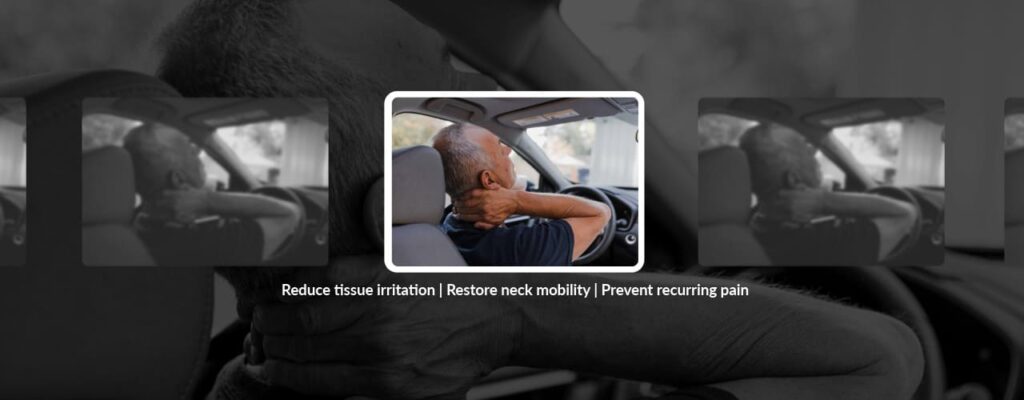
Many adults leave a crash feeling shaken but not injured. A few hours or even days later, they begin noticing stiffness, headaches, or limited motion. These symptoms often point to neck pain after car accident events that quietly stresses the tissues. Understanding the truth behind these symptoms helps adults recognize why early attention from a physical therapist supports safer and more complete recovery.
Common Myths About Neck Pain After a Car Accident
Myth 1: Neck Pain After a Car Accident Means You Only Pulled a Muscle
Fact: Car accidents expose the neck to sudden, forceful motion that affects more than just the muscles. Ligaments, joints, discs, and nerves may also become irritated. This irritation develops even during low-speed crashes. Physical therapists evaluate motion, strength, and joint control to determine which tissues were affected. Addressing these deeper structures helps prevent long-term stiffness.
Myth 2: Symptoms Would Have Appeared Immediately if the Injury Were Serious
Fact: Many symptoms appear hours or days after the crash. Swelling, tissue irritation, and muscle guarding build slowly. These delayed reactions often explain why neck pain after a car accident feels worse the next morning than at the scene. Physical therapy helps identify early restrictions and prevents them from becoming long-term limitations.
Myth 3: Resting Until the Pain Goes Away Is the Best Plan
Fact: Short periods of rest help alleviate early soreness, but staying still for too long increases stiffness and slows down the healing process. Muscles weaken, joints lose mobility, and nerves become more sensitive. Physical therapists introduce gentle, guided motion that protects healing tissues without increasing discomfort. This early movement helps the neck recover more quickly and safely.
Myth 4: Only High-Speed Crashes Cause Real Neck Injuries
Fact: Even low-speed collisions can create enough force to irritate the neck. The head and neck move quickly during impact, and the tissues respond with tension and guarding. This sudden motion explains why neck pain after car accident events often develops even when the vehicle damage looks minor. Guided care helps improve joint motion and reduce persistent tightness.
Myth 5: Headaches After a Crash Are Not Connected to the Neck
Fact: Many post-crash headaches come from irritated tissues at the base of the skull. These tissues tighten when the neck becomes strained. Physical therapists use manual techniques to reduce tension, improve tissue mobility, and calm irritation. Better neck function often reduces headache frequency and intensity.
Myth 6: If You Can Move Your Neck, the Injury Must Be Minor
Fact: Motion does not always reflect severity. Some adults maintain movement by compensating in other areas of the spine. These compensations hide underlying stiffness or muscle imbalance. A physical therapist checks how smoothly the joints glide and whether the movement pattern is healthy. This evaluation helps identify early signs of instability or irritation.
Myth 7: Ice Alone Will Fix the Problem
Fact: Ice helps reduce early pain and may limit swelling within the first day, but it does not solve the underlying issue. Tissues need movement, strength, and stability to heal well. Physical therapy adds mobility work, gentle strengthening, and manual care to address the true source of neck pain after car accident injuries.
Myth 8: The Pain Will Eventually Fade on Its Own
Fact: Pain that lingers beyond a few days often indicates a deeper underlying issue. Without treatment, stiffness can build and limit daily movement. Some adults develop long-term discomfort that affects work and sleep. Physical therapy helps restore healthy tissue movement and prevents these ongoing problems.
Myth 9: You Should Avoid Turning Your Head Until the Pain Stops
Fact: Avoiding movement can increase stiffness and slow down healing. Physical therapists teach safe, controlled ways to move the neck. These exercises help maintain normal motion and reduce the risk of long-lasting limitations. This guided motion protects the tissues while preventing new problems from developing.
Myth 10: Physical Therapy Is Only for Severe Injuries
Fact: Even mild discomfort benefits from early care. Physical therapy helps identify movement patterns that strain the neck and neck muscles. Addressing these patterns early supports smoother healing and reduces the chances of recurring symptoms. Adults who start therapy soon after the crash often experience faster recovery and less long-term stiffness.
Find Supportive Neck Care at Hands of Hope
Physical therapists utilize manual techniques, mobility exercises, and strengthening exercises to restore comfort and enhance movement. This approach targets stiffness, tension, and coordination. By addressing the underlying issues, therapy enables adults to resume their daily activities with reduced discomfort and increased confidence.
At Hands of Hope, physical therapists evaluate the true sources of neck pain after car accident injuries and build personalized plans that support healing. If you feel discomfort after a crash, contact Hands of Hope today to begin a safe and effective recovery plan.