



Why Hip Pain Becomes More Common With Aging
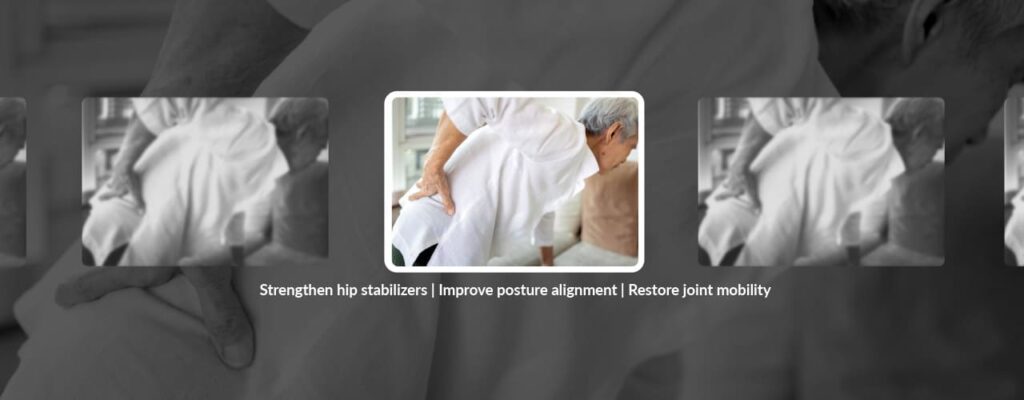
Many adults notice changes in comfort and mobility as they get older. The hip joint works hard during activities such as walking, bending, and standing, as well as during everyday tasks. Over time, these demands influence how the tissues move and respond to stress. Understanding the connection between hip pain and aging helps adults learn why discomfort develops and how physical therapy supports long-term mobility and strength.
Reasons Your Hips Might Hurt As You Get Older
Hip Structures Change Over Time
As adults age, the cartilage that cushions the hip joint gradually thins. This natural change affects the smoothness of joint movement. With less cushioning, the joint may feel stiff or sensitive during walking or weight-bearing tasks. Physical therapists assess joint motion, strength, and alignment during a comprehensive evaluation. This evaluation helps identify how age-related changes influence the hip’s function.
Muscle Strength Declines Without Regular Activity
Muscles weaken when they are not used regularly. This gradual loss of strength is common as adults age and often leads to increased stress on the hip joint. Weak muscles around the hip cannot adequately support the joint, contributing to discomfort. Strengthening exercises help reverse this pattern by improving control and stability. This support reduces strain and plays a major role in managing hip pain and aging.
Tight Tissues Reduce Comfortable Hip Movement
Tissues around the hip become less flexible as adults age. Tightness limits rotation, bending, and extension during everyday tasks. When these motions become restricted, the joint absorbs more stress and increases discomfort. Mobility exercises and guided stretching help improve flexibility. Better flexibility restores natural movement and reduces pressure on irritated tissues.
Hip Pain and Aging Affect Balance
The hip joint plays a crucial role in stabilizing the body during standing and walking. As strength and flexibility change with age, the hip becomes less effective at supporting balance. Many adults notice increased stiffness or a slow, cautious walking pattern. Physical therapy includes balance exercises that help the body respond more confidently during movement. Better balance reduces the risk of falls and supports overall comfort.
Posture Changes Increase Hip Stress
Posture often shifts as adults age. Some adults begin leaning forward more, while others shift weight to one side. These subtle changes add pressure to one part of the hip joint and strain the surrounding tissues. Physical therapists teach posture strategies that distribute weight evenly and support healthier motion. Improved posture helps reduce irritation linked to hip pain and aging.
Joint Stiffness Creates a Cycle of Discomfort
When the hip becomes stiff, adults may reduce their physical activity. Less movement leads to increased stiffness, and greater stiffness results in greater discomfort during walking or standing. Breaking this cycle requires controlled, consistent movement. Physical therapists guide adults through exercises that restore joint motion safely and gradually. These exercises help the hip tolerate daily tasks with less irritation.
Previous Injuries Affect the Aging Hip
Old injuries do not always heal perfectly. A past sprain, muscle strain, or back issue can influence how the hip moves years later. These old compensations may increase the stress on sensitive structures. Physical therapy examines how the hip interacts with the spine, knee, and ankle to identify how earlier injuries affect movement. Addressing these patterns helps reduce discomfort and improve long-term mobility.
Activity Levels Influence Hip Comfort Over Time
Adults who stay active tend to maintain better hip mobility. Those who slow down or avoid activity often experience stiffness sooner. Gentle, regular movement supports the tissues that protect the hip. Physical therapy provides personalized exercise plans that match each person’s comfort level. These plans help adults stay active without increasing irritation.
How Physical Therapy Supports Aging Hips
Physical therapy combines strength training, mobility work, balance exercises, and manual therapy to support healthy hip function. This approach reduces stiffness, improves control, and enables adults to move with greater confidence. By understanding how hip pain and aging interact, physical therapists design plans that support daily tasks and promote long-term comfort.
At Hands of Hope, physical therapists assist adults in managing hip pain and the effects of aging through targeted exercises, hands-on care, and personalized mobility training. If hip discomfort limits your daily activity, contact Hands of Hope today to begin a supportive and effective plan that protects long-term movement.