


Get More with our Hands of Hope Loyalty Program
This new rewards program is designed to help you earn points simply by taking care of your health. The more you participate, the more you earn, and the more you save!
How It Works
Sign Up
Join today and receive 5,000 welcome points just for enrolling.
Visit & Earn
Earn points at every appointment, when you refer a friend, when you leave a review, and more.
Redeem & Save
Use your points like cash credits toward products, cash-based services, visit bundles, and wellness items.
Redeem Your Rewards For
- Care Credit services
- Free checkups
- WellCart products
- Special invitations & bonuses
Ways to Earn Points
- New Member Sign-Up 5,000 pts
- Every Visit 300 pts
- Evaluations 500 pts
- Leave a Review 1,000 pts
- Referral Program 3,000 pts
- Arrive On Time 50 pts
- Book in Advance 1,000 pts
- Birthday/Anniversary 500 pts
- Yoga Mat Purchase Triple Points
- IV & Weight Loss Services Triple Points
- WellCart Purchases 5 pts per $1
We’re Growing to Serve You Better!
Check Out Our Four Newest Locations and Services
At Hands of Hope, we pride ourselves on providing care that’s accessible, supportive, and centered on what matters most to you. To help us meet those goals, we’re expanding with four new locations, plus new services at select clinics.
Find Us at Four New Locations
Our newest clinics bring our comprehensive approach to more communities across New York:
Forest Hills
- 111-17A Queens Blvd, Forest Hills, NY 11375, (347) 212-7685
Williamsburg
- 53 Broadway, Brooklyn, NY 11249, (757) 614-5417
Atlantic
- 847 Atlantic Ave, Brooklyn, NY 11238, (347) 212-7701
Bard Ave
- 970 Bard Ave, Staten Island, NY 10301, (347) 218-8231
Whitestone Is Moving to a More Spacious Location
To help serve our patients with the best experience we can offer, our Whitestone clinic is relocating to a more spacious location:
- Whitestone: 160-20 Willets Point Blvd, Whitestone, NY 11357
Each location reflects our commitment to compassionate care, patient education, and practical solutions that support better health and function.
Discover More Ways to Support Your Health
In addition to expanding our locations, we’re also expanding our services! We’re happy to announce that we are now offering two new options to better serve your needs:
Occupational Therapy
Occupational therapy is now available at our Woodhaven, Whitestone, and 1467 Bedford clinics.
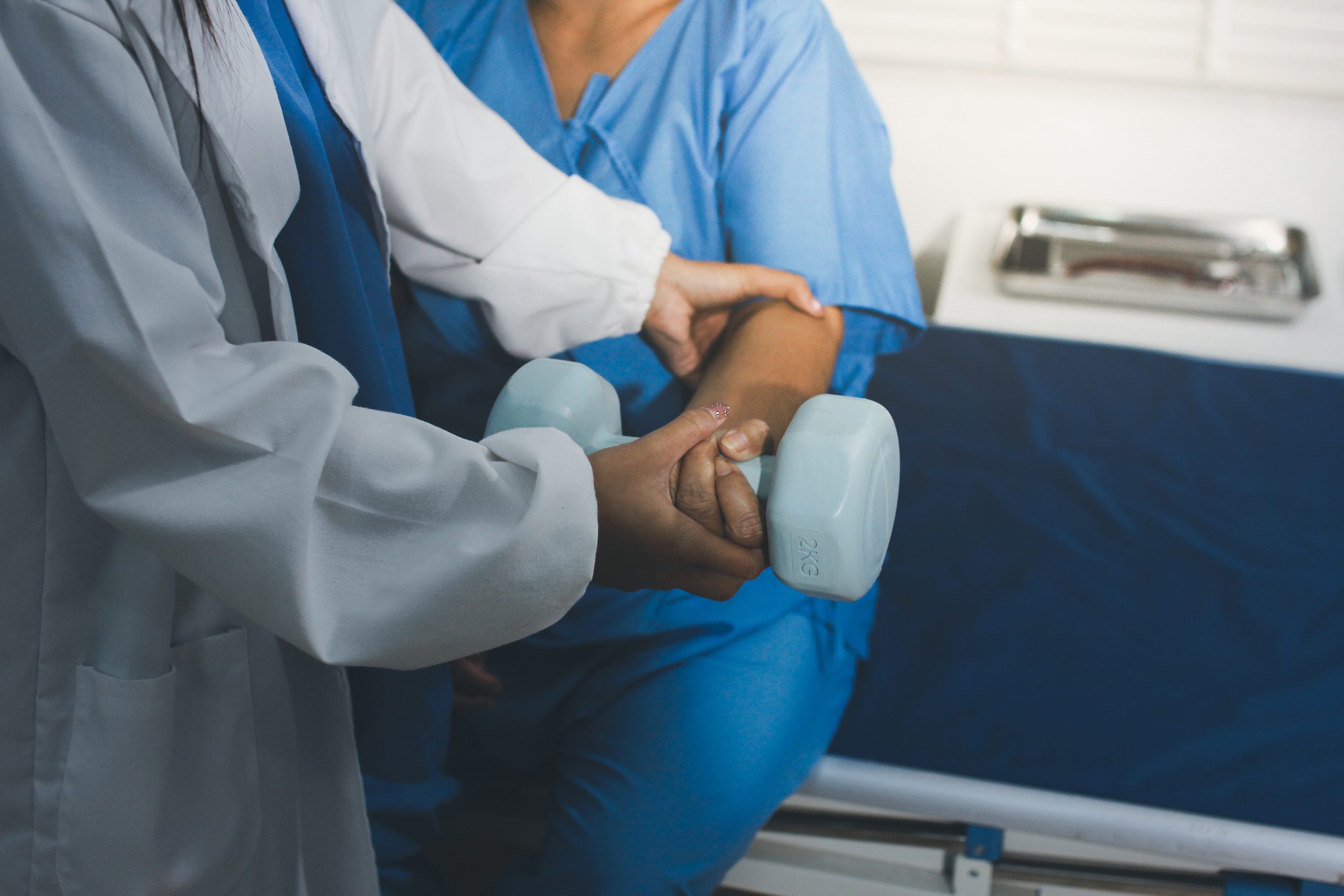
OT focuses on helping people participate more fully in meaningful daily activities at home, work, school, and in the community. Treatment might include:
- Exercises to improve strength, mobility, coordination, or other skills needed for daily tasks
- Training and strategies to make daily activities more manageable
- Strategies for managing fatigue or physical limitations
- Activity modifications that support greater independence
Acupuncture
We’re also now offering acupuncture therapy at our Woodhaven clinic. Acupuncture is a technique based in Traditional Chinese Medicine that involves inserting thin needles in specific points in the body to help manage pain and movement restrictions. It’s a great complement to exercise therapy and other treatment options we offer.
Discover Care That Fits Your Goals
More locations and services mean more opportunities to find care that meets your needs. Contact Hands of Hope to learn about available services and find the location that works best for you.
Physical Therapy’s Role in Managing Osteoporosis
Abigail didn’t know she had osteoporosis until she slipped on a rug in her home and broke her hip. As a small-framed, 56-year-old woman, she knew she had a higher risk of developing the condition–but the lack of symptoms had led her to believe she was in the clear.
Stories like Abigail’s are common. In fact, osteoporosis is sometimes called a “silent” disease because it has very few outward symptoms. Like Abigail, many people only learn they have it after suffering a fracture in circumstances that wouldn’t normally cause a broken bone.
While Abigail’s hip fracture was frightening, it did let her know that she needed to take steps to slow the progression of her osteoporosis. She knew she couldn’t do it alone, so she visited the team at Hands of Hope for expert guidance.
We provided Abigail with a personalized exercise program aimed at strengthening her bones without putting her at risk for another fracture or injury. While she couldn’t cure her condition, she was able to improve her overall bone health and density.
If you’ve recently learned you have osteoporosis–or if you’re at a high risk for it–give us a call to set up an initial consultation!
What Is Osteoporosis?
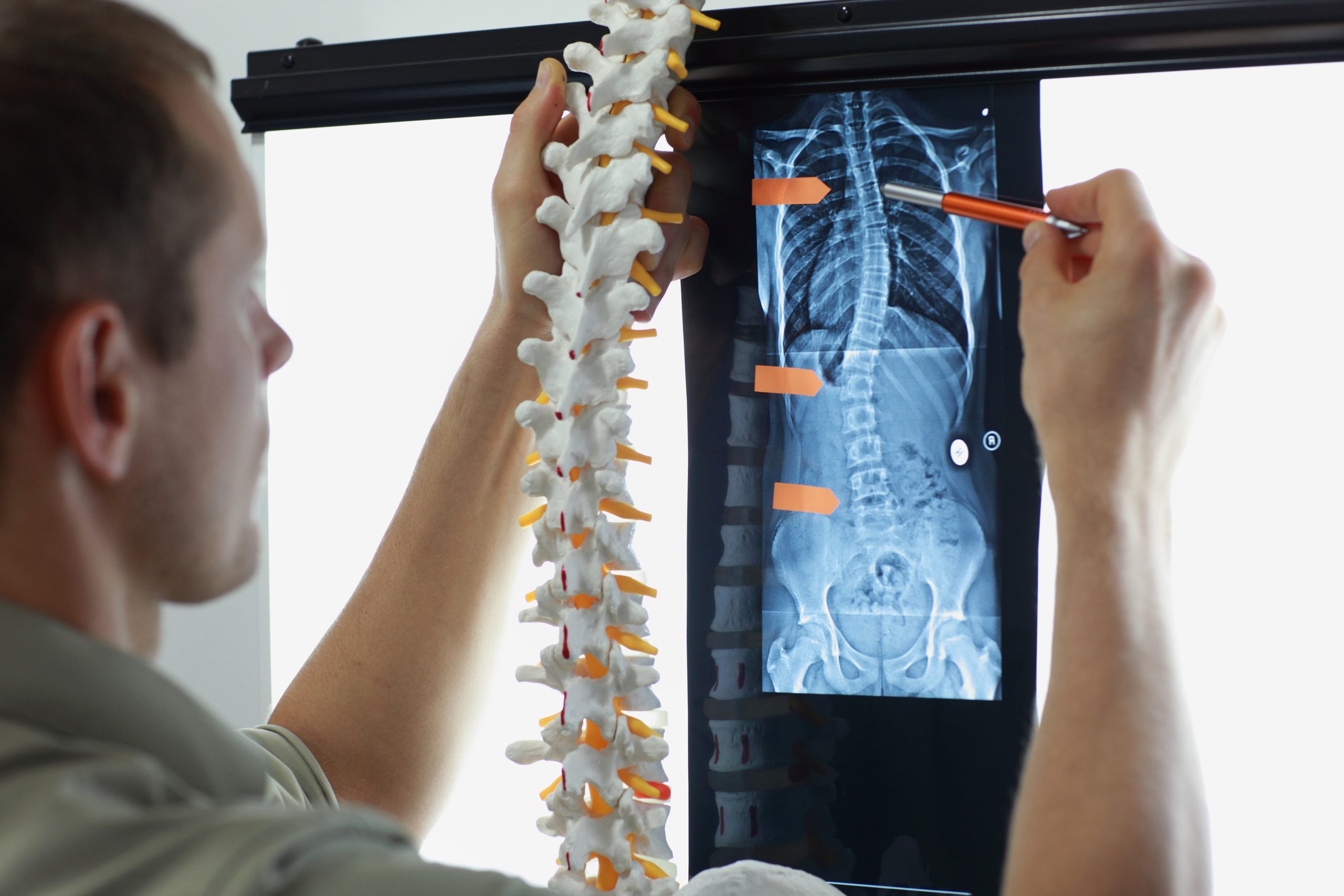
Osteoporosis is a bone disease that causes changes in your bone structure–namely, low bone density. These changes weaken your bones and increase the likelihood that you’ll suffer a fracture in everyday situations.
As mentioned, osteoporosis has no obvious symptoms. The biggest sign that someone has osteoporosis is suffering a fragility fracture–a broken bone resulting from a minor trauma (like falling from standing height).
Some people will also develop back pain that leads to an osteoporosis diagnosis, but it’s important to understand that osteoporosis in and of itself does not cause pain. Instead, it can cause a spinal compression fracture, which is where the pain comes from.
Understanding Your Risk Factors
Osteoporosis is common, affecting over half of Americans aged 50 or older. However, certain factors make it more likely that you’ll develop the condition, including the following:
- Being a woman (however, men still develop osteoporosis, too)
- Advanced age (your risk increases as you get older)
- Having a small frame or low weight
- Excessive smoking, alcohol, and caffeine consumption
- A sedentary lifestyle, especially a lack of weight-bearing exercise
If you have a higher risk of developing osteoporosis, you can work to prevent the condition by improving bone strength through exercise and proper nutrition. However, some risk factors are simply out of our control–there is, for example, a genetic component to the condition.
Fortunately, good bone health will benefit you regardless!

How We Can Help You Manage Osteoporosis
Our physical therapists have a keen understanding of your body’s musculoskeletal system–including how to improve bone health through exercise.
Bone is like muscle in that it will grow when properly challenged. You can challenge bone through two types of exercise:
- Weight-bearing exercises such as dancing, walking, or running
- Resistance exercises such as lifting barbells, using exercise bands, or performing bodyweight strength exercises (i.e., pushups)
If you haven’t yet developed osteoporosis, now’s the time to start incorporating these types of exercises into your routine! Our PTs can give you guidance on how to do so effectively.
If you have developed osteoporosis, these exercises are still very beneficial. However, it’s crucial that you work with a physical therapist to create a personalized treatment plan that will minimize your risk of injury. We’ll let you know which exercises are safest for you and ensure you use the proper form.
Our physical therapists can also…
- Improve your balance to reduce your fall risk
- Help minimize fall risk through environmental modifications
- Adjust and correct your posture
- Provide treatment if you do suffer a fracture
Make An Appointment to Learn More
Developing osteoporosis doesn’t mean you have to give up the activities you love. With exercise and expert guidance, you can improve your bone health and live your life to the fullest.
Request your appointment with Hands of Hope today to learn more about how we can help you!
Sources: https://www.choosept.com/guide/physical-therapy-guide-osteoporosis, https://www.sciencedirect.com/science/article/abs/pii/S0967586820301818

Better Together: How Physical Therapy and Advanced Treatment Support Recovery
October is National Physical Therapy Month, and the team at Hands of Hope wants to celebrate by looking at how our advanced pain management techniques can effectively coordinate with our proactive physical therapy services–especially when your symptoms make PT difficult or intimidating.
Combining Pain Relief And Active Rehabilitation
Physical therapy addresses the movement and functional challenges that can accompany pain. Each treatment plan is tailored to your needs and built around several non-invasive techniques, including progressive exercise, mobility work, manual therapy, and information on managing your condition. The goal is to help you gradually return to meaningful activities.
But for some people, persistent or severe pain can make it difficult to participate fully in rehabilitation. That’s why our physical therapists work alongside pain management specialists to use advanced techniques that can help manage symptoms and reduce barriers to movement, so you can participate more comfortably in active rehabilitation.
For example, let’s say you’re living with severe knee osteoarthritis. Our pain management specialists might suggest a joint injection to reduce inflammation and irritation in your knee joint, making movement more comfortable. Physical therapy can then build on that window of relief with mobility work, progressive strengthening, and exercises that support daily activities.
Find the Right Combination of Care
This National Physical Therapy Month, discover the value of coordinated care. If pain is keeping you from making the most of your PT exercises, contact Hands of Hope to learn how advanced pain management might play a role in your treatment plan. That way, you can reduce your pain, improve your function, and get back to the activities that matter most.
Exercise of the Month
One Leg Balance
(Ankles, Core, Balance)
Single-leg balance is essential for improving stability and walking (gait), as we briefly stand on one leg with every step. Strengthening this position can help reduce fall risk and improve confidence with movement. Stand with your hands on the back of a chair, countertop, or wall for support. Slowly lift one foot so your weight is on the opposite leg. Keep your posture tall and steady. Hold for 20–30 seconds and gradually increase time as your balance improves. 2 Sets, 1 Rep (each side) (Materials needed: chair)

Creamy Butter Chicken
A deliciously mild spice dish that is easy to put together this Creamy Butter Chicken is a recipe that is full of flavor and one that you will want to make over and over.
Ingredients:
- 2 Tablespoons oil
- 1 1/2-2 pounds chicken breasts cut into pieces
- 6 Tablespoons butter
- 1 small onion finely diced
- 2 Tablespoons minced garlic
- 2 Tablespoons grated fresh ginger
- 1 Tablespoon garam masala
- 1 teaspoon turmeric
- 1 teaspoon smoked paprika
- 1 teaspoon chili powder
- 1 teaspoon salt
- 15 ounce can diced tomatoes undrained
- 6 ounce tomato paste
- 1 cup chicken broth
- 1 cup heavy cream
- ¼ cup chopped cilantro optional
Instructions:
- Heat oil in a large skillet over medium high heat. Add chicken and stir to cook until done, about 5 to 7 minutes. Remove from skillet and set aside.
- Melt butter in the same skillet, then add the onion, garlic and ginger. Cook until onions are translucent, about 3 to 5 minutes.
- Add the garam masala, turmeric, smoked paprika, chili powder and salt and mix well, cooking about a minute to let the flavors meld together.
- Add the diced tomatoes, tomato paste and chicken broth and return the cooked chicken to the skillet. Bring to a boil, then lower heat and simmer uncovered 10 to 15 minutes, until sauce has thickened.
- Remove from heat and stir in the heavy cream and cilantro.
- Serve over rice, if desired.
We’re Here to Help, Every Step of the Way
We know pain can be alarming, but you don’t have to manage it alone. A personalized therapy program from Hands of Hope can help reduce your symptoms so you feel more confident in your day-to-day life.