



Take Control of Your Health and Wellness with Our Care Credit Services

Tired of wrangling with your insurance provider to receive necessary treatments? Good news: We offer affordable Care Credit services to ensure you can access the care you need without the hassle! Our Care Credit services streamline the treatment process, allowing immediate access without a doctor’s referral. There are no hidden fees or surprise charges, and many people find that they save money in the long run.
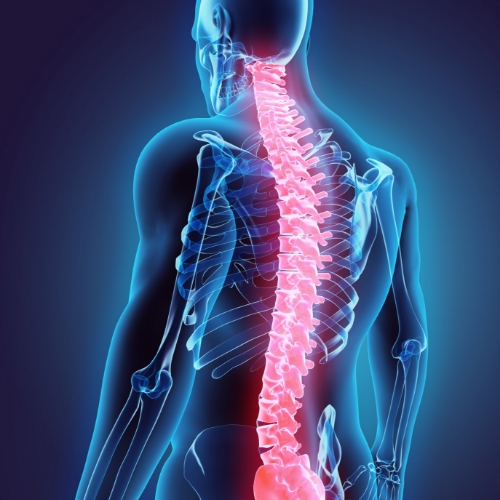
An Implantation to Help Manage Complex Pain Conditions
When you’re living with chronic pain, and all other pain management options have failed, you might assume surgery is your only option. In some cases, however, spinal cord stimulation might help you find relief without undergoing a full surgical procedure.
Spinal cord stimulation works by implanting a device that sends low levels of electricity into your spinal cord. Whenever you feel pain, you use a remote to send electrical pulses through your spine, helping to alleviate symptoms.
Spinal cord stimulation can be life-changing for those who need it. If you think you might be a good fit, schedule an appointment with the Hands of Hope team today.
When is Spinal Cord Stimulation the Right Choice?
We typically suggest spinal cord stimulation for the following conditions after other nonsurgical treatment options have failed:
Chronic Pain
Chronic pain refers to any pain that lasts longer than three months, well after the time it would take for the injury to heal. Chronic back pain and complex region pain syndrome are often good candidates for spinal cord stimulation.
Failed Back Surgery Syndrome
This condition refers to pain that lingers long after back surgery.
Arachnoiditis
This condition occurs when the arachnoid, a thin membrane wrapping around the brain and spinal cord, becomes inflamed.
Neuropathy
Neuropathy is an umbrella term for pain that develops when one or more of your nerves become damaged due to injury or chronic conditions like diabetes.
Peripheral Vascular Disease
This condition develops when blood arteries narrow, usually due to plaque buildup. It slows circulation and can cause pain (called ischemic pain).
Implanting a Spinal Cord Stimulator: What to Expect
Deciding to have a spinal cord stimulator implanted is a significant decision. The Hands of Hope physicians will work closely with you and other care team members to determine if spinal cord stimulation is the right choice for you. If you decide to go forward with the procedure, you can expect specialized training and a trial period to ensure the device works as expected.

The device has three main parts:
- Electrodes, which we will place between the spinal cord and vertebrae
- A generator, a small battery pack that powers the electrodes and that we will place under the skin near the abdomen or buttocks
- A remote, which you will use to direct the stimulator
You’ll go through two implantation processes:
- The trial, during which we will implant trial electrodes but not the generator
- The final implantation, in which we replace the trial electrodes with permanent ones and implant the generator
For those living with severe, treatment-resistant pain, spinal cord stimulation can dramatically improve quality of life. However, we do recommend all other options, save full surgery, before going forward.If you’d like to learn more about the implantation process and other considerations, schedule an appointment with Hands of Hope today.
Your Next Steps…
Request An Appointment
Receive A Custom Plan of Care
Work Hard and Progress In Your Recovery
Recover & Enjoy Life Pain-Free!